LTCHDTM using P-SOT
P-SOT transistors present the solution to the future of computing as we leave the silicon paradigm and its limitations.
Low Transistor Count High-Density Turing Machine (LTCHDTM) using Photonic-Saturation Optical Transistors (P-SOT), will be lighter, smaller, faster, and more energy efficient than current computers.
Low Transistor Count High-Density Turing Machine (LTCHDTM) using Photonic-Saturation Optical Transistors (P-SOT), will be lighter, smaller, faster, and more energy efficient than current computers.
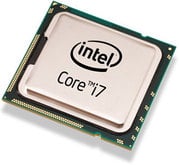
Size
|
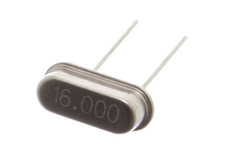
Speed
|
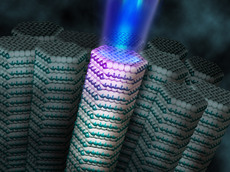
Energy
|
P-SOT Breaks Modern Computational Paradigms
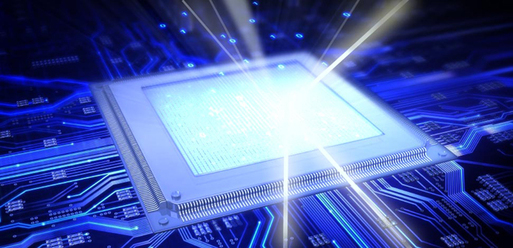
- A new computational paradigm opens up a vast range of applications and advantages.
- One proposed feature is LTCHDTM, or the creation of Low-Transistor-Count-High-Density-Turing-Machines that take advantage of light parallelism to create full working digital processors using a minimal number of optical transistors.
- With this, large amounts of compact processor cores can be fit onto a single chip greatly enhancing the multitasking capabilities of our microprocessors.
- Companies requiring large amounts of computing power can obtain such at a lower cost and lower size.