|
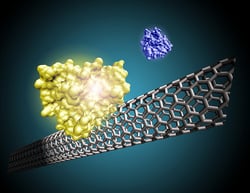
Carbon Nanotubes
|
|

|
Surgical Chitinous Compounds
|
Finding the Perfect Material
Materials science has been critical towards the development of not only modern medical technology, but the entire modern world at large, from microprocessors to spaceships. Unfortunately, no material, whether synthetic, natural, or a biotechnological combination of the two, can be used for all purposes. Every applied material has advantages and disadvantages, with many material properties conflicting with one another. Materials research today focuses on a range of material categories for applications in all fields and sectors. The surrounding materials are being critically analyzed today for their potential towards biomedical engineering.
Materials science has been critical towards the development of not only modern medical technology, but the entire modern world at large, from microprocessors to spaceships. Unfortunately, no material, whether synthetic, natural, or a biotechnological combination of the two, can be used for all purposes. Every applied material has advantages and disadvantages, with many material properties conflicting with one another. Materials research today focuses on a range of material categories for applications in all fields and sectors. The surrounding materials are being critically analyzed today for their potential towards biomedical engineering.
|
Natural Polymers
|

|
|
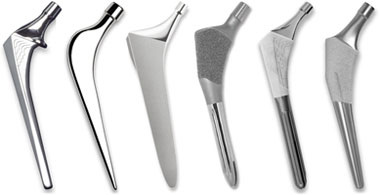
Biocompatible Titanium
|